

A Different Idea of Money: Stablecoins
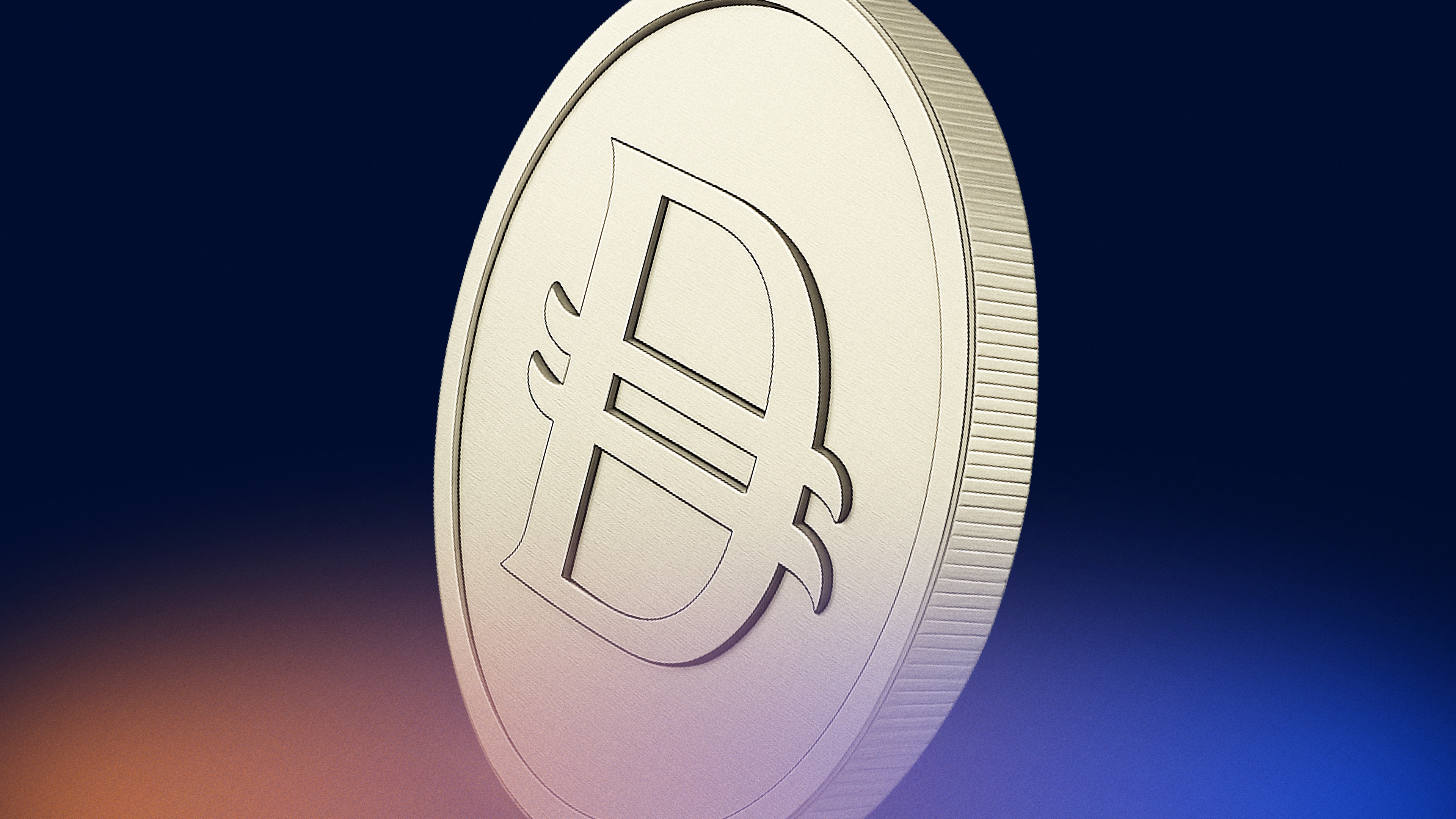
Currency in emerging markets is extremely fragmented: There are currently 22 currencies in the Middle East and 54 currencies in Africa. That’s 76 currencies across a tight, interconnected region.
This puts emerging markets at a severe disadvantage. A currency in one country may not be accepted anywhere else. This limits the currency’s utility, which hinders business activity—unless a business has access to potentially-expensive foreign exchange markets, expansion of its customer base or physical presence beyond its country’s borders is very difficult. The fragmentation also leads to a lack of liquidity, making it difficult to do business in these regions.
On top of fragmentation and illiquidity, many of these currencies experience significant inflation. Historically, this has led business owners to directly convert their proceeds to a liquid fiat currency in order to retain the value of their proceeds. However, the lack of demand and limited geographical usability of their local currency can make it difficult to find a buyer at market price, resulting in even more illiquidity.
Countries like Zimbabwe, Nigeria, and Ghana have faced severe currency instability, with inflation rates climbing as high as 54%. This erodes trust and forces citizens to spend their money immediately, rather than saving it for the long term. If your money is going to be worth less than half of what it was last year, you’re unlikely to be able to plan and save for the future.
Inflation not only affects individuals’ financial health, but also businesses, too. High rates of inflation can severely impact the currency’s exchange rate with other global currencies. Furthermore, local businesses and individuals may be unable to consistently afford potentially high fees associated with Forex markets, and some may not have access to Forex markets to begin with.
The fragmentation of many local currencies can create a compounding effect of illiquidity and reduced purchasing power, affecting the ability for people to reliably store their savings and do business.
The solution: Stablecoins on a blockchain, pegged to the broader region’s currency
The blockchain has introduced a new version of money: stablecoins.
Stablecoins are blockchain-based digital assets that are typically pegged to prominent fiat currencies and transparently backed with highly-liquid assets. In other words, they serve as a representation of fiat currencies that can be transferred using blockchains instead of traditional payment systems. This presents clear advantages over commonly-used payment networks, as well as serving as an alternative store of value in regions with unstable currencies.
Stablecoins can bring much-needed economic stability to many regions with unstable economies and volatile currencies. Instead of transacting in many different fragmented currencies, people can trust one stable currency for their region, such as the UAE Dirham.
Currently, the total value of all publicly-available stablecoins is roughly $290 billion, accounting for almost 7% of the total cryptocurrency market cap. The most popular stablecoins are Tether (USDT) and USD Coin (USDC), which account for 83.3% of global stablecoin value.
Stablecoin demand, in terms of market value as well as international transaction volume, has increased significantly within the past two years. Adoption of stablecoins has been significant, but is yet to take hold in emerging markets. The total stablecoin market cap has more than doubled since the beginning of 2024, reaching $27.6 trillion and exceeding that of Visa and MasterCard combined. This powerful trend continued into 2025, as monthly transaction volume surpassed $5 trillion in January and has consistently surpassed $2.5 billion in each month since.
While blockchains offer a vast selection of use cases, stablecoin growth stands out as a dominant force for adoption rather than simply a passing trend. Since stablecoins are blockchain-based products, they naturally inherit all the aforementioned benefits of blockchain technology. Specifically, stablecoin transactions benefit from the transparency, verifiability, and reliability of blockchain networks. They’re also faster and cheaper to send, whether domestically or internationally, and transactions can also be made on a 24/7 basis.
In addition to inheriting the advantages of blockchain technology, stablecoins can bring stability to many regions with unstable economies and volatile currencies.
Stablecoins present an opportunity to diversify outside of illiquid and fragmented local currencies into a more reliable asset with a global network of users. As more people gain access to stablecoins in emerging markets with unstable currencies, it can stimulate growth in local businesses and cross-border financial activity.
While stablecoins have many potential use cases, including everyday payments, they’re currently used primarily by professional traders and exchanges to manage liquidity. This demonstrates their security and reliability, but also highlights an opportunity: with better user experiences and broader institutional adoption, stablecoins could become part of people’s daily financial lives.
Hosting a Dirham-backed stablecoin on ADI Chain
Soon, ADI Chain will host a stablecoin pegged to the UAE Dirham. This digital currency bridges the gap between government security and digital innovation with a trusted currency that moves at the speed of light.
Developed by IHC, First Abu Dhabi Bank, and ADQ, this stablecoin will be regulated by the UAE central bank, setting a new global benchmark for trust. Our goal is to facilitate economic progress globally, including our core markets in Africa, Asia, and the Middle East by moving money faster and at lower cost than ever before.
We’re ready to solve the problems in emerging markets with A Different Idea of Money. For updates on our rails for a dirham-backed stablecoin, follow ADI Chain on X and ADI Foundation on LinkedIn.